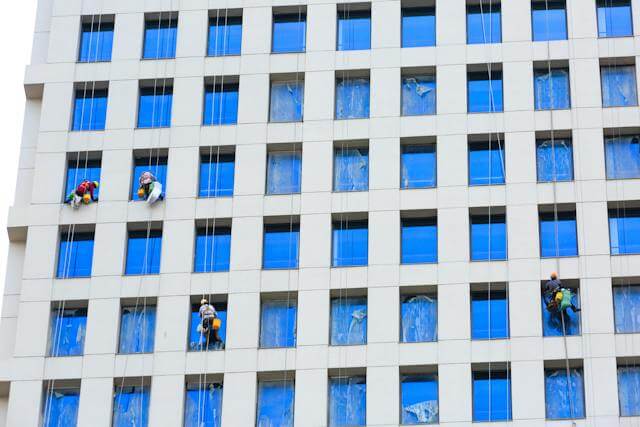
There are a lot of risks of working at height you need to consider, like the dangers of dropping tools or falling. Working at height is precarious, and if you need to take equipment or materials up with you, then you need to work out how you can do so safely.
We always recommend that you conduct a thorough risk assessment before you do any work at height. This risk assessment will allow you to identify the risks of working at height and put the correct safety equipment and precautions in place to minimise the risk of an accident or injury.
To learn some of the most common risks of working at height, read our guide below.
What is a work at height rescue plan?
A work at height rescue plan is a document which details the risks of work at height and how you will address those risks. When an employer carries out a risk assessment and finds a danger, they will need to make a work at height rescue plan for any steps to save workers from that danger. If you are an employer in an industry like construction, you will probably need a work at height rescue plan.
To create a work at height rescue plan, use a working at height rescue plan template, which can be found later in this article.
A work at height rescue plan is essential for all companies, businesses and workplaces where employees work at height. Employees are working at height if they:
- work above ground or floor level.
- could fall from an edge, opening or surface.
- could fall from ground level into an opening or hole in the ground.
There are so many different types of safety harness - trust us, we know! - that it can often be difficult to determine what sort you need.
To help you out, we've put together this comprehensive guide to explain the difference between two of the most commonly-used harness types: fall arrest harnesses and work positioning harnesses.
What is a fall arrest harness?
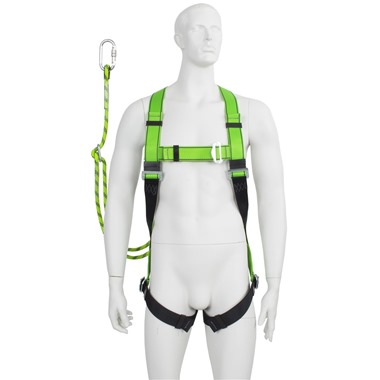
A fall arrest harness is an essential part of a fall arrest system. The harness is connected to a secure anchor point via a fall arrest lanyard, and if you fall, this setup stops you before you hit the ground.
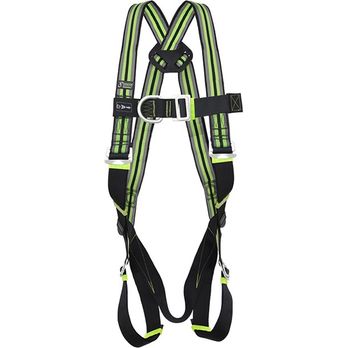
Fall arrest harnesses are essentially the last line of defence for workers who might be exposed to fall hazards. Arresting the fall should be considered a last resort - if possible, it's better to prevent the fall from occurring in the first place (e.g. by using a fall restraint system). But this isn't always practical or viable.
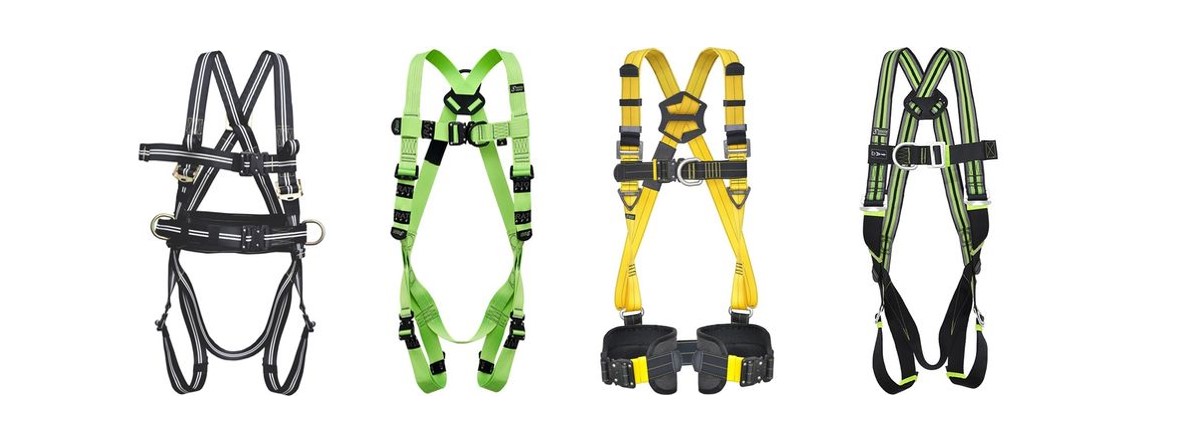
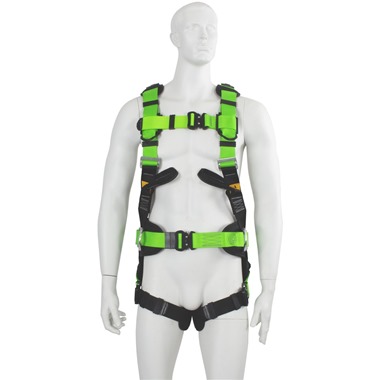
It’s always important to have the right safety equipment to hand when working at height, but even more so when working on a roof. Working on uneven surfaces like roofs can potentially be very dangerous, especially if the surfaces are slippery.
Wearing the right harness when working on a roof is vital to ensuring personal safety. But what makes a good harness for roofing? Where can you find a range of suitable roofing harnesses?
If you’ve ever found yourself asking these questions, you’re in the right place!
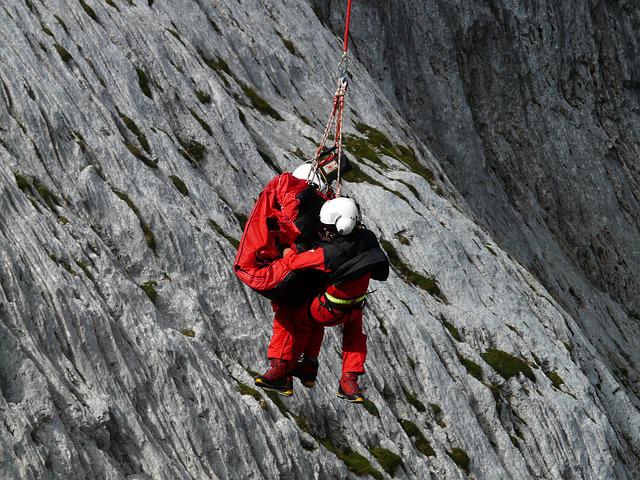
Suspension trauma is the human body's response to being vertically suspended in mid-air for a prolonged period of time. It is also known as ‘harness-induced pathology’ or ‘orthostatic shock while suspended’.
If no action is taken, prolonged suspension can lead to loss of consciousness, at which point there is a very real danger of death. Suspension trauma is a very real and serious threat to those who are often suspended, whether for work or as part of a hobby like rock climbing or abseiling.