Who Is Responsible for Checking Working at Height Equipment?
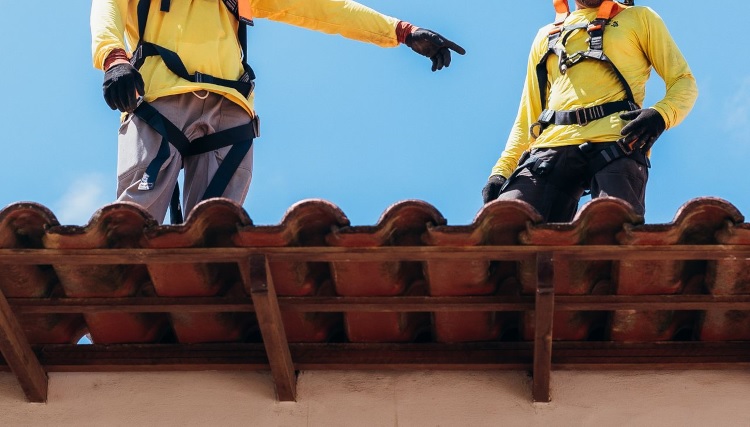
Employers (and others in control of work at height) are responsible for ensuring that any safety equipment is periodically checked by a competent person.
Under the Work at Height Regulations 2005, the main responsibility for checking work-at-height equipment rests with the people in control of the work (e.g. employers, contractors or facilities managers). HSE guidance states that these duty holders must ensure that the work is properly planned and then carried out by capable individuals using suitable equipment.
That said, employees do have some responsibilities of their own while working at height. They must take reasonable care of themselves and others, co-operate with their employer and report any safety hazards they identify.
Who's responsible for formal equipment inspections?
Where a formal inspection of working at height equipment is required, the employer or person controlling the work is responsible for making sure this inspection takes place. The inspection itself should be carried out by a competent person.
The HSE defines a competent person as "someone with the necessary skills, knowledge and experience to manage health and safety". Depending on the situation, this could be an employee with suitable training or an external inspector.
How often these formal inspections are required will depend on the type of equipment in question and how it's being used. Any equipment that is at risk of deteriorating and create a dangerous situation should be inspected at regular intervals, and if anything happens that could compromise the product's stability, a thorough inspection should be carried out before the product is used again. Working conditions, risk assessment findings and the manufacturer's instructions should all be taken into account.
To use fall arrest lanyards as an example, the relevant HSE guidance recommends conducting a detailed inspection at least every 6 months, with more frequent inspections potentially required for items that are used heavily or in harsh working environments.
What about quick pre-use checks?
Subjecting a fall arrest lanyard or safety harness to a formal periodic inspection is not the same thing as carrying out a quick safety check before use. Workers should be encouraged to check their safety equipment before starting work so that obvious damage, wear or other problems can be spotted before a dangerous situation arises.
For harnesses and lanyards, this might involve looking for cuts, fraying, damaged stitching, chemical contamination, corrosion, distorted metalwork or anything else that suggests the equipment may no longer be reliable. Our safety harness inspection guide explains some of the main things to look for.
The person who's actually using the equipment will often be best placed to carry out this simple pre-use check. A nearby colleague may also be able to help. If a worker discovers a defect or has reason to doubt the safety of a particular piece of equipment, they should not simply cross their fingers that it will hold together. The problem should be reported immediately, and the compromised equipment should be taken out of service until it has been properly assessed.
Note that informal pre-use checks are NOT a substitute for periodic formal inspections.
When it comes to safety, everyone has a part to play!
The legal responsibility for arranging appropriate equipment inspections rests principally with employers and others who control work at height, but the people who are actually using the equipment can also play a key role in ensuring its safety. Workers who operate at height should follow their training, carry out pre-use checks, use equipment correctly and report defects promptly.
Our complete working at height guide covers the wider responsibilities and precautions involved when planning work at height.