Can You Work Alone in a Confined Space?
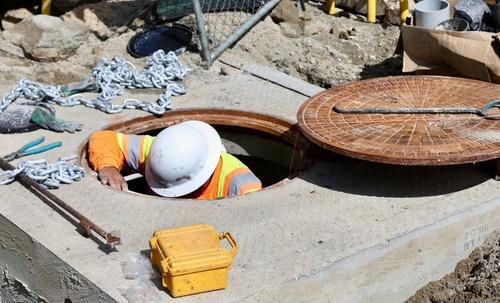
Can you work alone in a confined space? Generally speaking, no. Confined space work can involve serious hazards that make lone working unsafe, and HSE guidelines specifically mention confined space operations as an example of the kind of high-risk work that tends to require the presence of at least one other person.
Confined spaces can expose workers to hazards such as fire, flooding and harmful gases. Because of this, workers should refrain from entering confined spaces at all where possible – and if confined space work is unavoidable, a thorough risk assessment must be carried out beforehand.
Every job is different, of course, and so there isn't a universally-applicable law that tells us what precautions are required or how many people must be present while confined space operations are underway. But as a general rule, it isn't safe for one person to work alone and unsupervised in a confined space.
What has the Health & Safety Executive (HSE) said about working alone in confined spaces?
The HSE's lone working guidance makes it clear that some high-risk tasks require at least one other person to be present. The very first example mentioned is:
"[work] in a confined space, where a supervisor may need to be there, along with someone in a rescue role"
This doesn't mean that every confined space job needs a specific number of people. The correct course of action will depend on the type of work being undertaken, the potential hazards in play, and the findings of your risk assessment.
The crucial thing to remember is that nobody should be sent into a confined space alone without suitable supervision, communication and emergency arrangements. The HSE also stresses that you cannot rely solely on the emergency services to rescue someone if things go wrong.
What can go wrong when someone works alone in a confined space?
A news item from a couple of years ago provides a sobering example. An employee at Kettering General Hospital entered a manhole to unblock a drain, and was later found unconscious by other members of staff. Northamptonshire Fire & Rescue Service got him out of the manhole, and he was treated for acute sulphate intoxication, which resulted in a traumatic brain injury.
A subsequent HSE investigation found that the NHS trust responsible for Kettering General Hospital had failed to identify the manhole as a confined space, properly assess the risks and establish a safe system of work. It was fined £480,000.
The fact that the worker was discovered by colleagues underlines an important point: if someone is overcome while working alone in a confined space, they may be unable to get out or call for help.
What to do before commencing work in a confined space
Where confined space entry cannot be avoided, every part of the job should be properly assessed and planned beforehand. Depending on the risks, it may be necessary to:
- Provide specialist training for the relevant personnel
- Monitor the atmosphere for dangerous gases
- Establish a method of communication so that the worker(s) in the confined space can report in and request assistance if needed
- Create a rescue plan that can be quickly put into action in an emergency situation (remember, 'dial 999' will not suffice as a rescue plan)
- Obtain appropriate confined space equipment
Never treat confined space entry as a routine task that a lone individual can do with no prior planning. Be sure to assess the risks first, then put suitable supervision and rescue arrangements in place.
SEE ALSO: What Counts as a Confined Space?