Falls from height are one of the biggest causes of workplace fatalities and major injuries which is why it is vital that you protect yourself with PPE equipment.
Falls from height are one of the biggest causes of workplace fatalities and major injuries which is why it is vital that you protect yourself with PPE equipment.
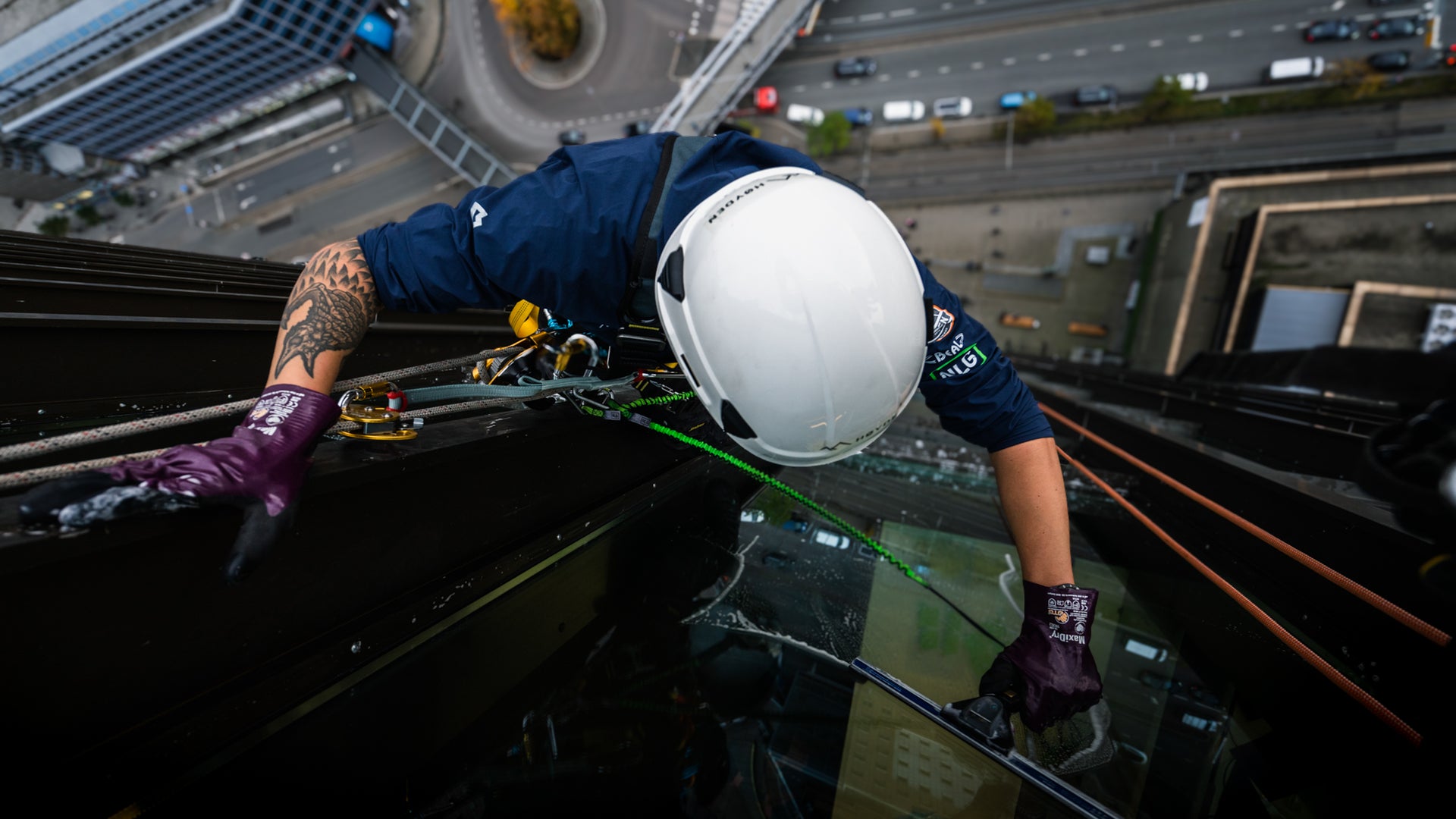
In the bustling world of construction, manufacturing, and various industrial sectors, the importance of safety cannot be overstated. One critical aspect of this is the prevention of dropped tools, which can lead to severe injuries, costly damages, and operational disruptions. Enter the unsung hero of workplace safety: tool lanyards. Among the leading brands championing this cause is Never Let Go (NLG), renowned for their innovative and robust tool lanyards designed to keep your tools secure and your workplace safer.
Monday 13th May – Friday 17th May 2024 is No Falls Week.
Here at Safety Harness Direct, we are passionate about height safety, and we're excited to be supporting the first ever No Falls Week!
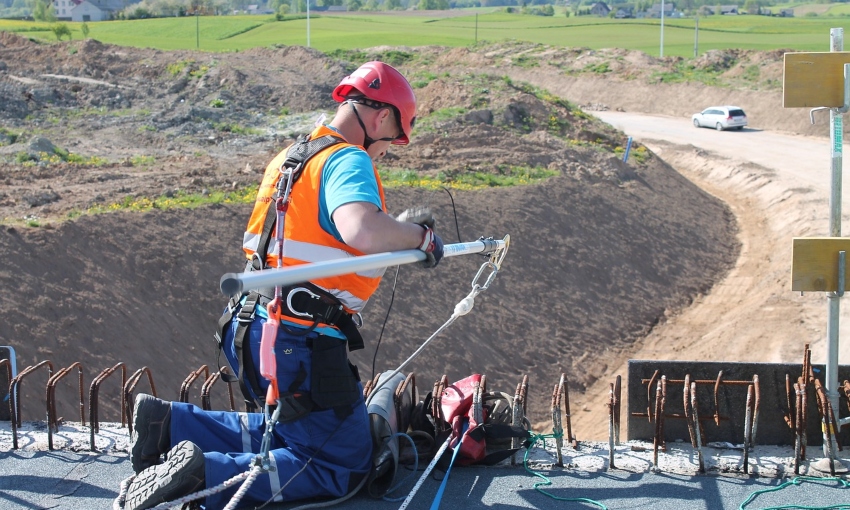
Short Answer: There are no legal requirements for at what height a safety harness is required, but the HSE does instruct that suitable fall protection should be implemented in any work environment where there is a risk of falling from a height of 2 metres or higher.

To carry out a working at height risk assessment, a competent person must identify any hazards, assess the risks, identify relevant precautions and produce a method statement. Follow HSE guidance and the below tips to get started.
According to the HSE (Health and Safety Executive), to effectively manage risks while working at height, a competent person must...
But what is a working at height risk assessment, and where do you start? This blog will explain all!