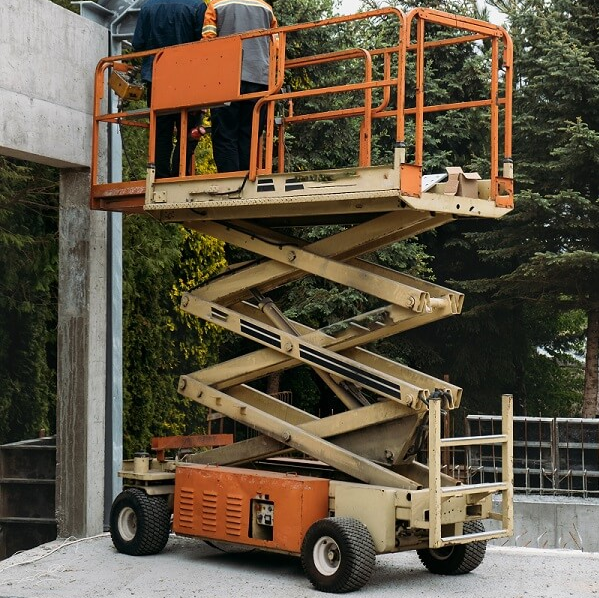
Short answer: no, you aren’t legally required to wear a harness when working on a scissor lift. However, it is recommended.
Short answer: no, you aren’t legally required to wear a harness when working on a scissor lift. However, it is recommended.
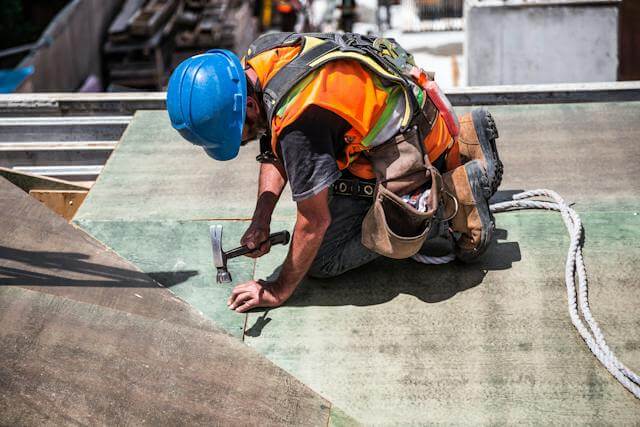
Working at height refers to work where, without precautions, a person could fall from one level to another resulting in an injury.
Falls from height are among the leading causes of injury and fatalities at work, but these falls aren't always from the heights of towering skyscrapers like you may expect - in fact, it is those who work on ladders and fragile surfaces that are most at risk.
Working at height refers to any work on a raised level where harm could occur from a fall, so whether they're scaling the side of a building one hundred feet up or they're only a few inches off the ground, precautions must be taken to protect the worker from a fall from height.
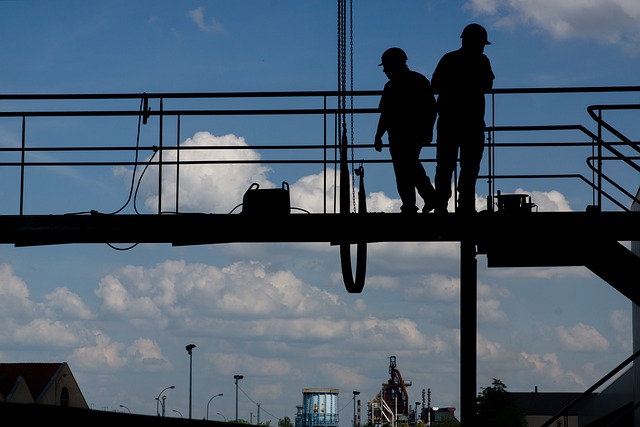
The term working at height equipment covers a wide range of products that are designed to prevent falls and/or minimise their consequences.

Working at height comes with an increased risk of injury. This begs the question, is there a minimum height from which a worker can fall without injury?

Following essential working at height safety tips can help keep you safe when operating above ground. Working at height is a common requirement in the construction industry, covering any task where you could fall from one level to another and potentially sustain an injury.
Unfortunately, falls remain one of the leading causes of on-the-job injuries. This is why establishing strict working at height safety protocols is absolutely critical. Even if you aren’t that far off the ground, the risks are real. In this blog post, we’ve put together the most important safety tips for working at height so you can feel confident and secure whether you are on a rooftop, a ladder, or an elevated work platform.
While hazard management often depends on the specific job you are doing, there are general guidelines everyone must follow. For example, a fundamental aspect of work at height safety is familiarising yourself with rescue procedures before you ever leave the ground!
Here are 14 crucial work at height safety tips to keep in mind on site:
Following the above guidelines can significantly lower the risk of serious injury.
Not sure when you should be applying these safety tips for working at height? Working at height is simply a work situation where, if the proper precautions are not taken, there is a considerable risk of a fall resulting in personal injury.
According to the Health and Safety Executive (HSE), “You are working at height if you:
To clarify, a fall from height must involve a person falling from one level to a lower level (otherwise it’s classed as a slip or trip). If you are operating at height in any capacity, then you should be following established HSE guidance.
At Safety Harness Direct, we provide professionals with the reliable equipment required for complete work at height safety. Using the proper, fully certified PPE is arguably the best safety tip we can offer. Browse our range to find the right fall protection, and always pair it with the working at height safety tips listed above.
If you require any further advice or working from height safety tips, please don’t hesitate to get in touch with our helpful team.