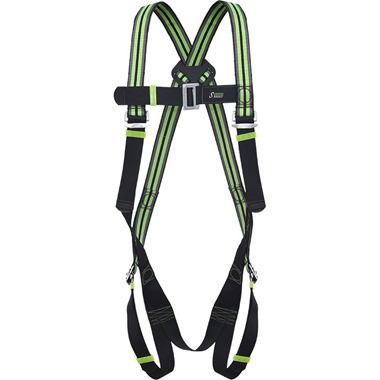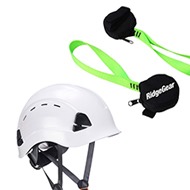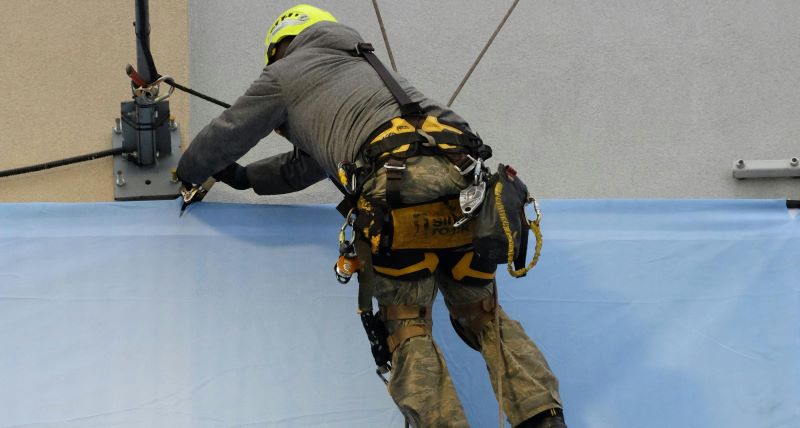
Each time before using a safety harness, it is essential that you carry out a pre-use inspection to check for any signs of damage. In this blog, we will go through five types of damage you should look out for when carrying out your pre-use checks. If you spot any of the harness issues, you should take the safety harness use out of use immediately and find a suitable replacement.
More...
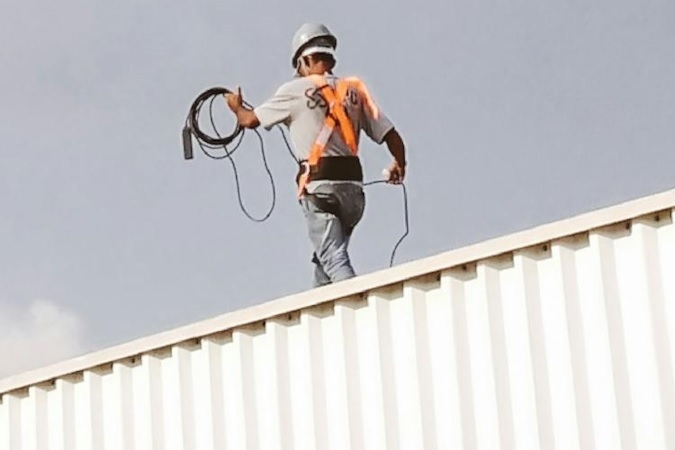
Working on a flat roof may seem less dangerous than working on a sloped roof, but flat roof work is still dangerous whenever there is a risk of falling from the edge or through fragile materials. To work safely on a flat roof you must plan the job thoroughly, choose suitable access equipment, use the right fall protection and follow the guidance set out by the HSE.
More...

Fall protection is required when work at height is carried out and there is a realistic risk that a person could fall and suffer personal injury, and that risk cannot be removed or adequately reduced by other means.
More...

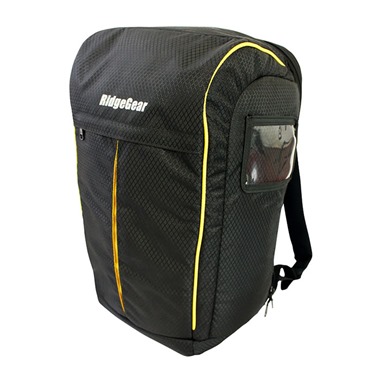
To store a safety harness properly, keep it clean, dry and out of direct sunlight. The best method is to hang it neatly or keep it in a dedicated storage bag away from dirt, moisture and chemicals.
More...
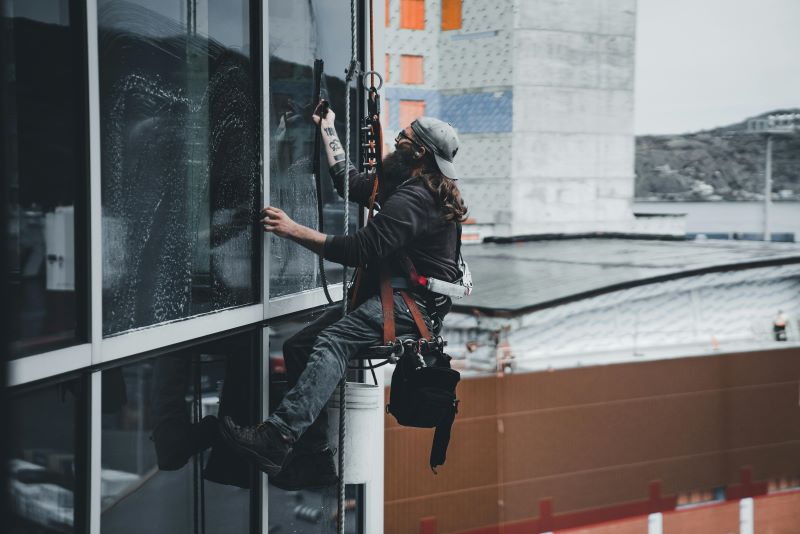
When working at height, having the right fall protection system is a life-saving necessity. Two of the most common fall protection systems are vertical and horizontal fall protection. While both systems serve the same purpose – preventing falls – they are designed for very different applications. If you want to learn the difference between these types of fall protection so that you can select the best system for your work environment, keep reading this blog!
More...