We use our hands for almost every task we do at work, which is why they tend to be the most susceptible area on the body for injury. In 2023, hand injuries accounted for 32% of all injuries in the workplace. In fact, the USA’s Occupational Safety and Health Administration (OSHA) has estimated that 71% of hand injuries could have been prevented if the worker was wearing personal protective equipment (PPE), specifically safety gloves.

While there are seemingly endless opportunities to get yourself injured on the job, falling from height is up there as one of the worst. It's a leading cause of workplace injury and the top cause of workplace death, according to the Health and Safety Executive (HSE).
Drops from a greater height strongly correlate with more severe trauma and a higher risk of fatality, but you don't actually have to fall all that far to do yourself a mischief. Even small drops can result in a variety of nasty injuries—and unlike the majority of workplace mishaps, the physical trauma sustained from a fall from height is quite likely to be life changing. A bad fall could end your career, or worse still, your life.
Here are some of the most common injuries that can result from falling from height...
Monday 13th May – Friday 17th May 2024 is No Falls Week.
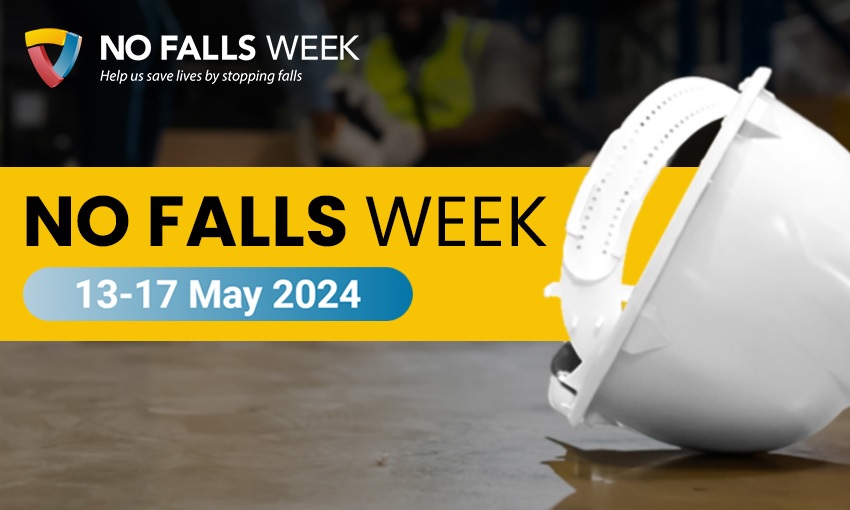
Here at Safety Harness Direct, we are passionate about height safety, and we're excited to be supporting the first ever No Falls Week!
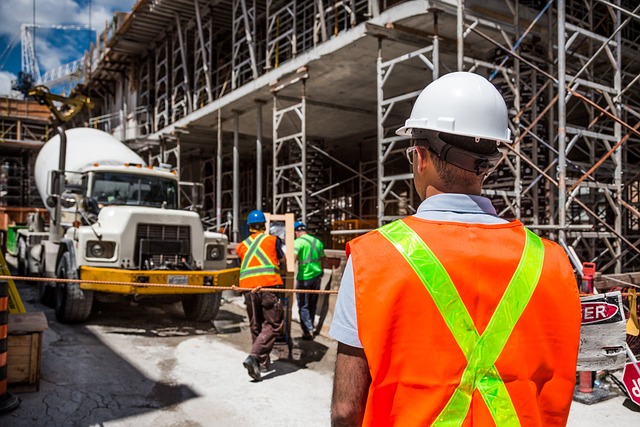
Scaffolding safety is incredibly important. We've used our safety harness expertise to put together some scaffolding safety do's and don'ts to help keep you safe next time you're on site!
Scaffolding Safety Do's
- Always thoroughly check the scaffolding materials (including poles, platforms and connections) for signs of wear or damage before you start building - never use materials that you aren't 100% sure are safe.
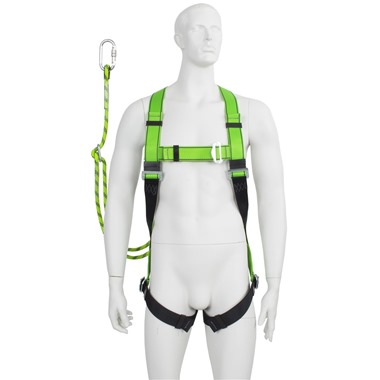
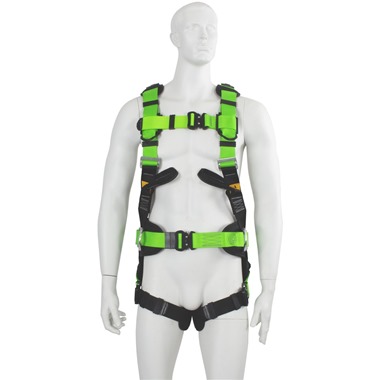
- Always thoroughly inspect your scaffolding harness for any damage or wear before use - the consequences of using damaged or faulty harnesses can be fatal, so make sure your harness inspection is in depth and that any harnesses deemed unfit are taken out of use.
- Always clear the ground of any debris and ensure that it is completely level before you start constructing the tower.
- When constructing the tower, follow the manufacturer's instructions carefully. If you suspect that a part if missing or not built correctly, rectify this before you start work.
- Ensure that only trained and experienced workers are working on the scaffold towers. All workers should have a good understanding of security procedures.
- Always carry out a risk assessment before starting the work.
- Always maintain three points of contact when using fixed ladders or stairs for access.
Scaffolding Safety Don'ts
- Never erect a scaffold tower near a hazard like a power line - there must always be a suitable clearance before the work platforms and any external hazards.
- Don't keep equipment that is not in use at the top of the tower as it could fall and injure workers below.
- Don't work on scaffolding in adverse weather conditions like extreme wind, rain, snow or storms as these can cause the scaffold to become unstable.
- Never attempt to work on scaffolding without the correct PPE - you will need a harness, helmet, gloves, hearing protection protective eyewear and hi-vis clothing.
- Never load a scaffold beyond its weight capacity.
- Never climb the steelwork or use cross braces as ladders.
- Never throw, drop or tip materials from height.
- Don't work on platforms without appropriate guardrails and toe boards.
Here at Safety Harness Direct, we supply a wide range of height safety equipment that will enable you to work at height safely on scaffolding. If in doubt, always speak to the site manager before undertaking any work on scaffolding.
Browse Scaffolding Safety Harnesses >
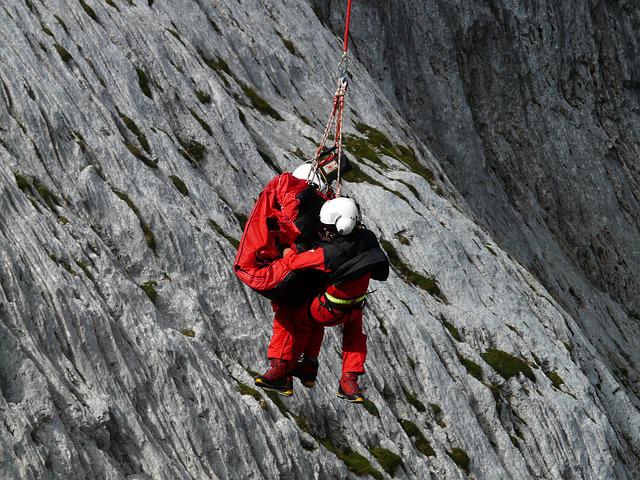
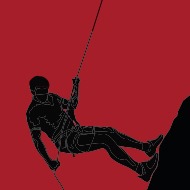
Suspension trauma is the human body's response to being vertically suspended in mid-air for a prolonged period of time. It is also known as ‘harness-induced pathology’ or ‘orthostatic shock while suspended’.
If no action is taken, prolonged suspension can lead to loss of consciousness, at which point there is a very real danger of death. Suspension trauma is a very real and serious threat to those who are often suspended, whether for work or as part of a hobby like rock climbing or abseiling.