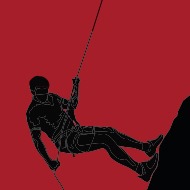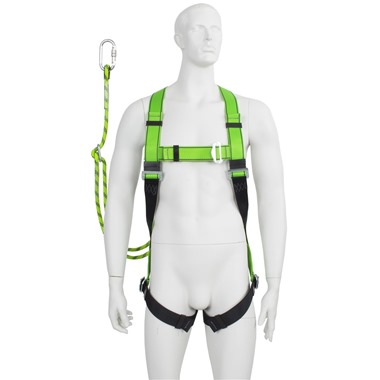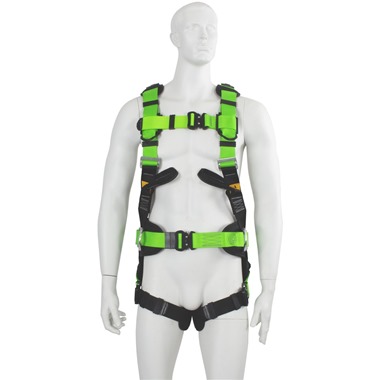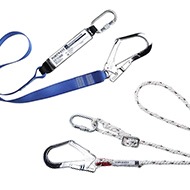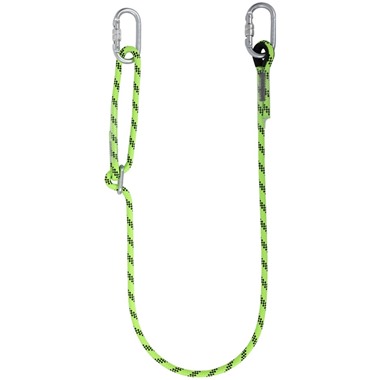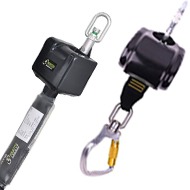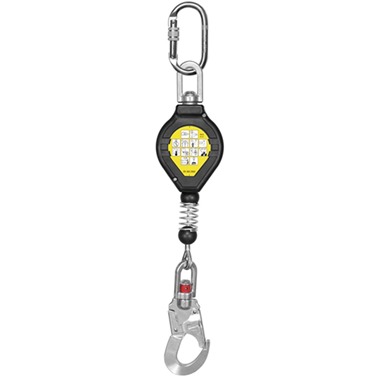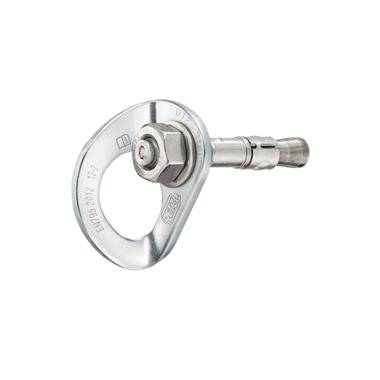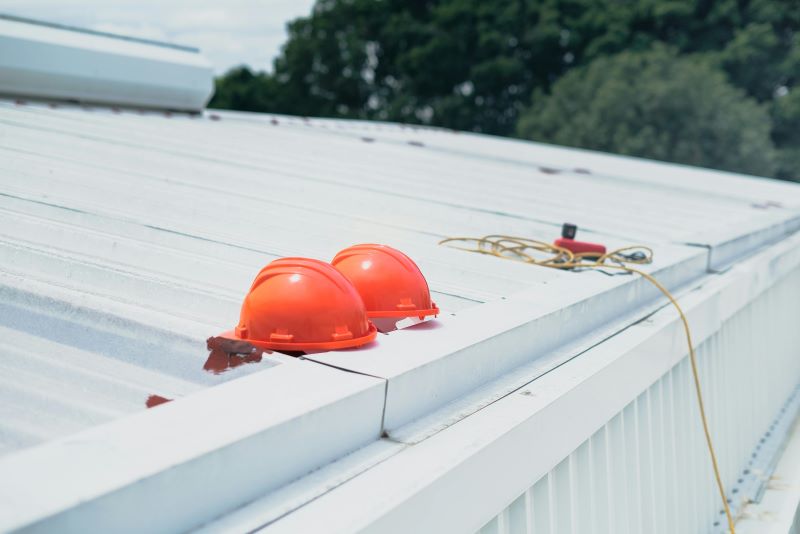
An inclined plane is a work environment that is slanted at an angle, like a sloping roof. These environments bring with them a unique set of challenges, as while it may be possible to stand on inclined planes, they are uneven and therefore present a higher risk of a fall.
Read on to find out how to stay safe while working on an inclined plane (and what equipment you’ll need to do so).

Safety harnesses are a vital piece of equipment for protecting workers from falls from height, especially in industries like construction, scaffolding and maintenance. To ensure that safety harnesses remain in safe working condition, regular inspections and maintenance are vital, but who is qualified to carry out these inspections? Keep reading to find out!
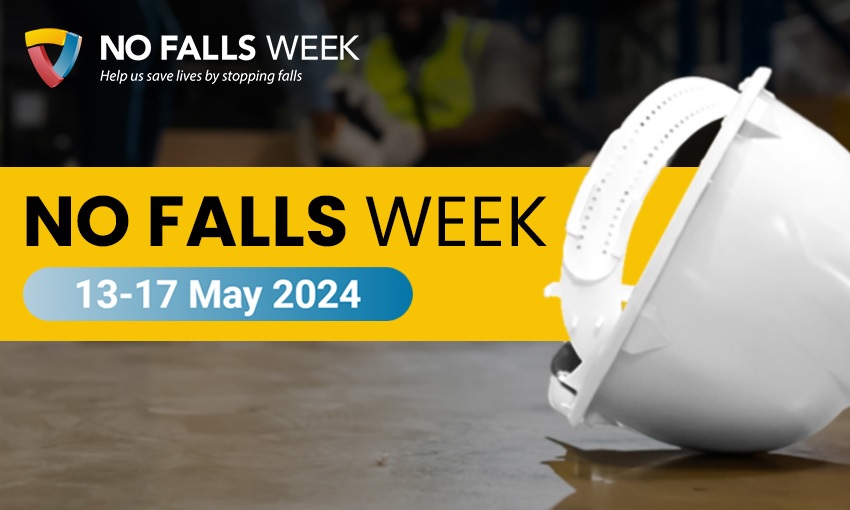
The No Falls Foundation has announced the start of No Falls Week – a campaign dedicated to preventing falls from height in UK workplaces. This important cause aims to prevent fatalities and injuries that are unfortunately too common in industries like construction.
In 2023/24, falls from height were responsible for 36% of all workplace deaths in Great Britain. Participate in No Falls Week from 12th to 16th May 2025 to help reduce these figures, and prevent falls from height!

All personal protective equipment (PPE) needs to fit the wearer correctly in order to properly protect them while working at height or in dangerous environments. If your safety gear, like your safety harness, doesn’t fit correctly, it can compromise your safety and lead to injury in the event of a fall.
So, if fit is crucial when it comes to safety harnesses, can they be shared among multiple users? This blog will unpack the pros, cons and best practices for sharing safety harnesses.

Using the appropriate eye protection at work is crucial for protecting your vision and preventing injuries. You should use eye protection whenever there is a risk of flying particles, dust, chemicals, hot substances and other hazardous materials coming into contact with your eyes. Let’s break these situations down further…