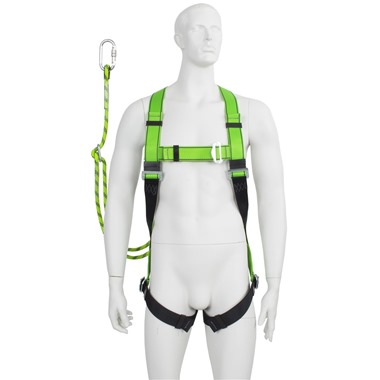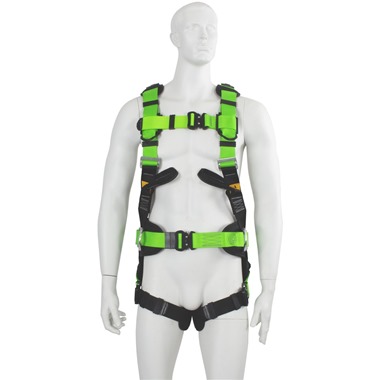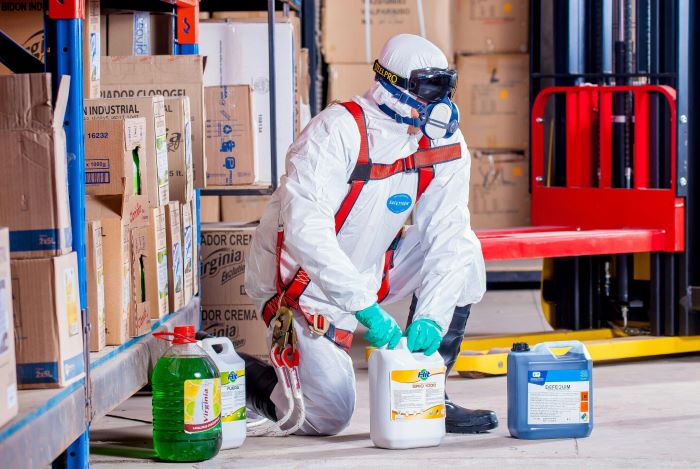
Safety harnesses are typically made from either polyester or nylon webbing with alloy steel adjustment buckles. However, at Safety Harness Direct, we offer a wide selection of safety harnesses made out of a range of different materials, including specialist harnesses for working in unsafe conditions.
In this blog, we will go over the materials used in some of our safety harnesses and discuss how these materials ensure that our safety equipment is top-quality and safe for you to wear.
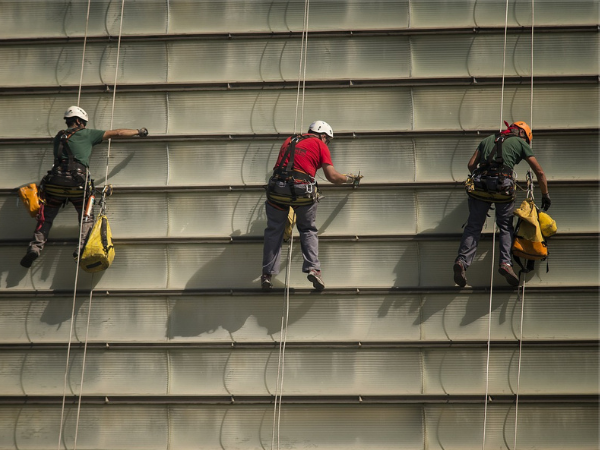
Working at height is the biggest cause of fatal and serious injuries in the construction industry. To avoid serious accidents, appropriate working at height precautions must be taken to ensure the work is properly planned, that everyone has the right equipment and that risks are minimised as much as possible.
Whether you work at height every day or only occasionally, taking appropriate working at height precautions and minimising risk should always be your top priority.
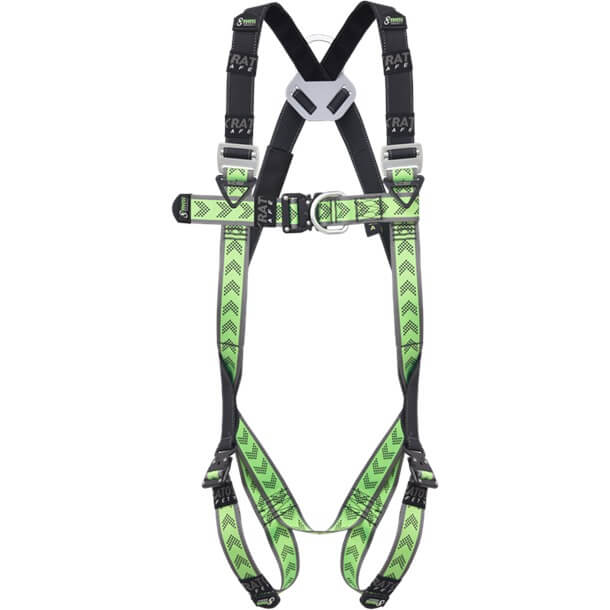
As with any piece of safety gear, it’s important to keep your safety harness clean, especially if it tends to come into contact with messy substances or dust. Cleaning your harness regularly not only helps to keep it in tip-top condition, but also makes it easier to spot any damage to the webbing or hardware.
You must be careful when cleaning a safety harness, though – it’s not as simple as chucking it in the washing machine. There are certain dos and don’ts to be aware of, so keep reading to find out how to clean a safety harness properly.
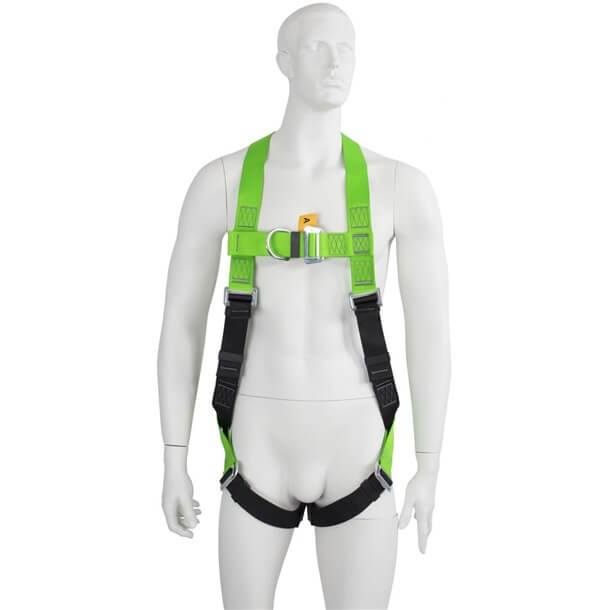
Fitting a safety harness is an important and easy process - simply follow this guide to get started!
A safety harness is an invaluable piece of personal protection equipment (PPE) that could save your life when you’re working at height. Harnesses can be used as part of a fall arrest system that catches you mid-fall, or as part of a fall restraint system that prevents you from falling in the first place.
However, safety harnesses can only do their job if they’re fitted correctly. In order to ensure that your safety harness will actually keep you safe, follow our step-by-step guide on how to fit a safety harness.

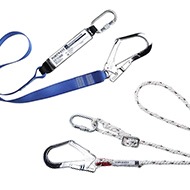
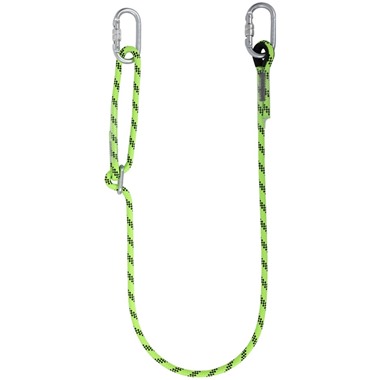
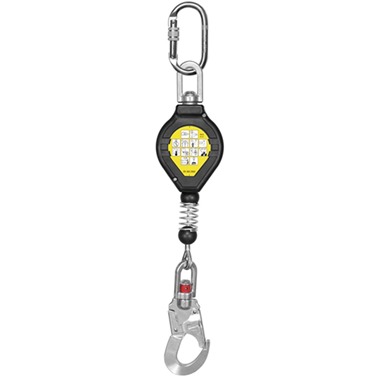
Safety lanyards are an essential piece of kit when working at height, no matter your work environment. There are a wide range of different types of safety lanyards available – but which is right for you?
In this blog post we’ll be doing a run down of the different types of safety lanyards and what kind of work environments they are best suited for to help you make a well informed decision.